













Core Components and Functions
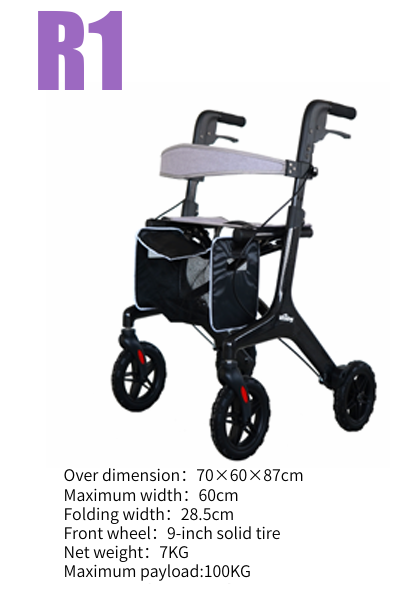
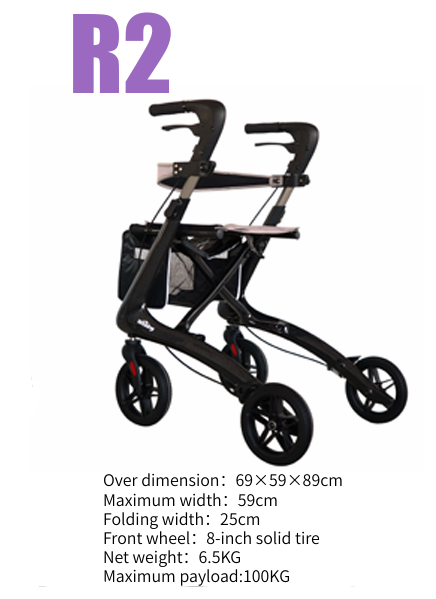
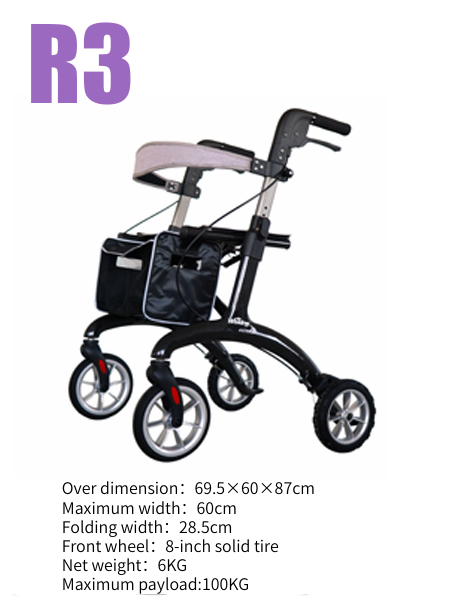
Wheeled Frame: Equipped with three or four wheels, the frame allows for a natural, fluid walking rhythm, reducing physical strain on the user's upper body.
Hand-Operated Brakes: Most models feature loop-style brakes on the handlebars, similar to bicycle brakes. These are used to control speed while moving and can be locked into a "parking" position to keep the rollator steady when sitting or standing still.
Built-in Seat: Many rollators include a padded seat and backrest, providing a convenient place for the user to rest during longer outings, which helps manage fatigue.
Storage Options: Integrated baskets, pouches, or under-seat bags allow users to carry personal items—such as medication or groceries—hands-free.
Adjustable Handles: Handles can be set to the user’s wrist height to encourage an upright posture, which helps prevent back and shoulder strain.
Common Types of Rollators
3-Wheel Rollators: Highly maneuverable and lightweight with a slim profile, making them excellent for navigating tight indoor spaces like narrow hallways or store aisles.
4-Wheel Rollators: The most versatile and common type, offering superior stability for both indoor and outdoor use.
Upright Rollators: Designed with forearm supports to encourage a more natural, upright walking posture, which can reduce pressure on the wrists, back, and neck.
Heavy-Duty/Bariatric Rollators: Feature reinforced frames and wider seats to support higher weight capacities.
Hybrid Rollator/Transport Chairs: A 2-in-1 design that can function as a rollator or be converted into a transit chair for when the user needs to be pushed by a caregiver.
All-Terrain Rollators: Built with larger wheels and specialized suspension to handle uneven outdoor surfaces like grass, gravel, or cracked sidewalks.
Reviews & Ratings
Frequently Bought Products