



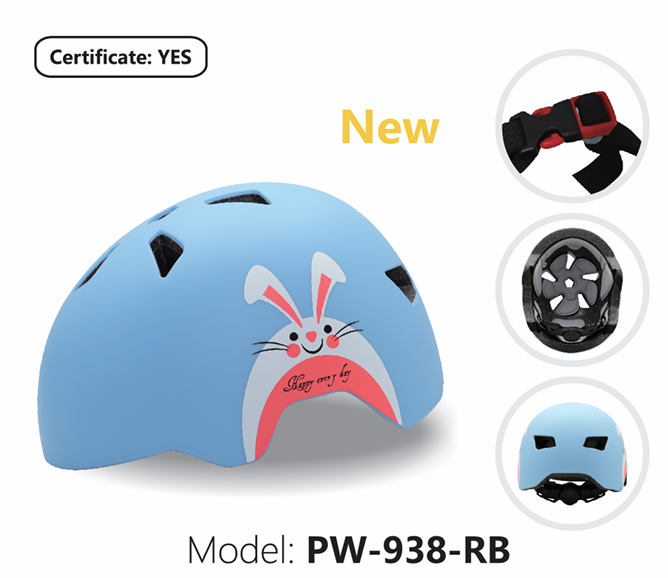
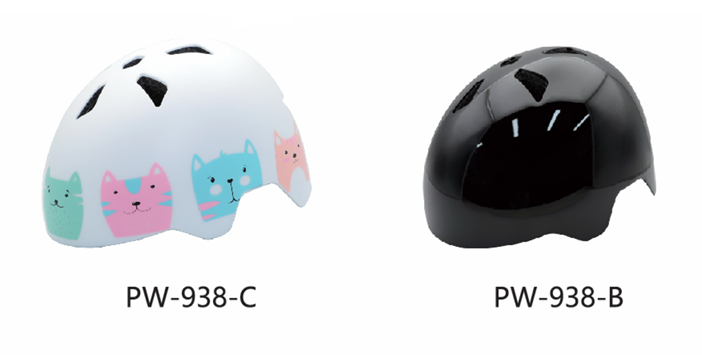
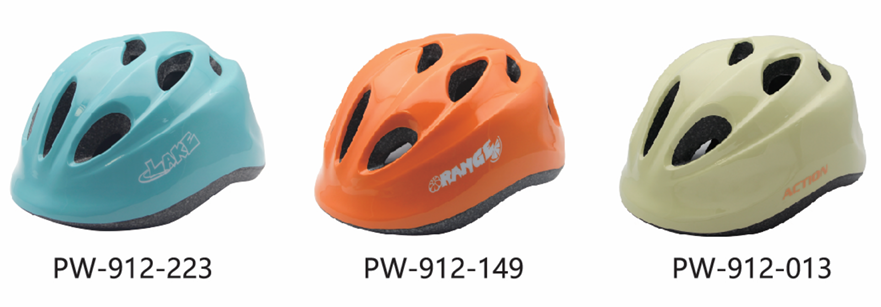
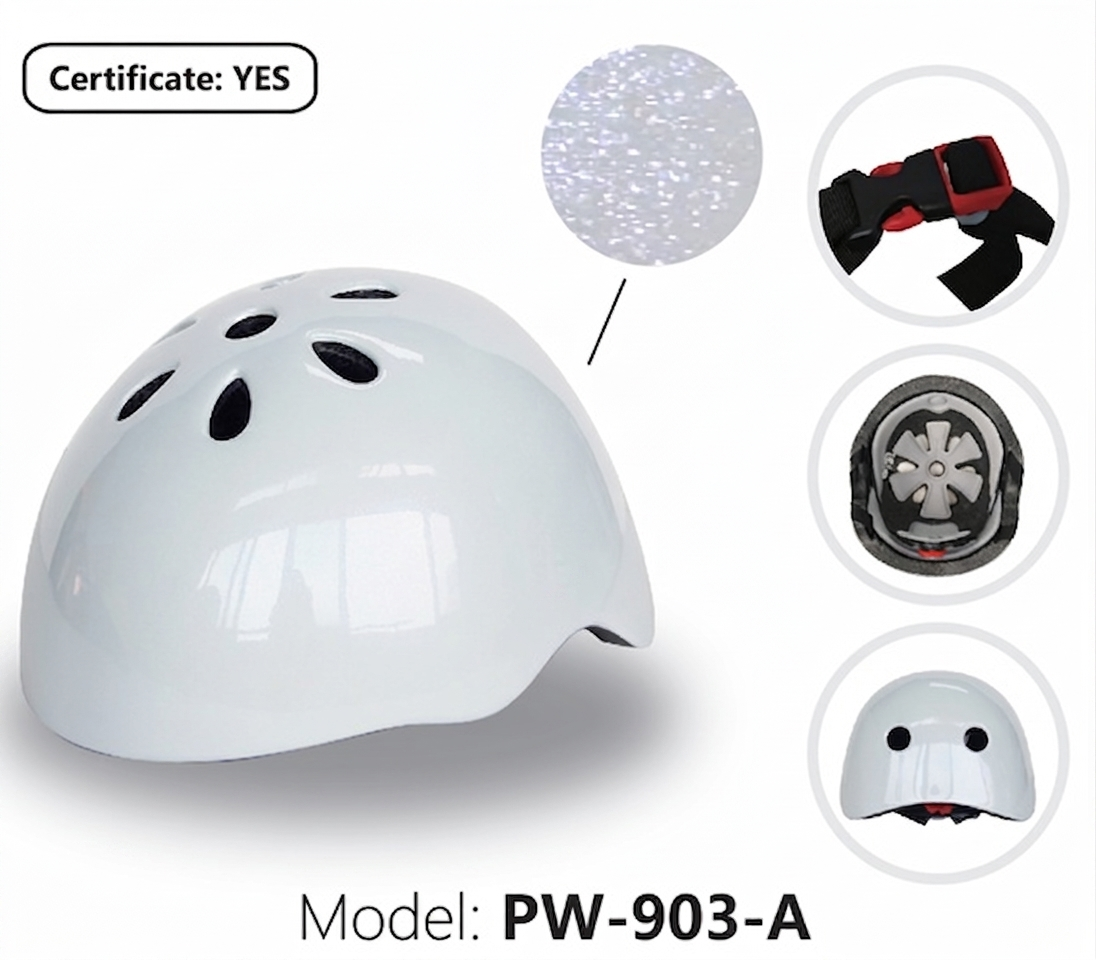
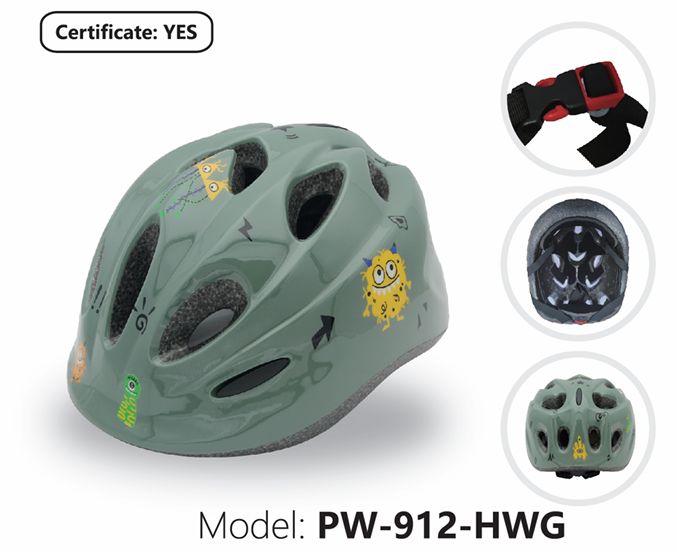
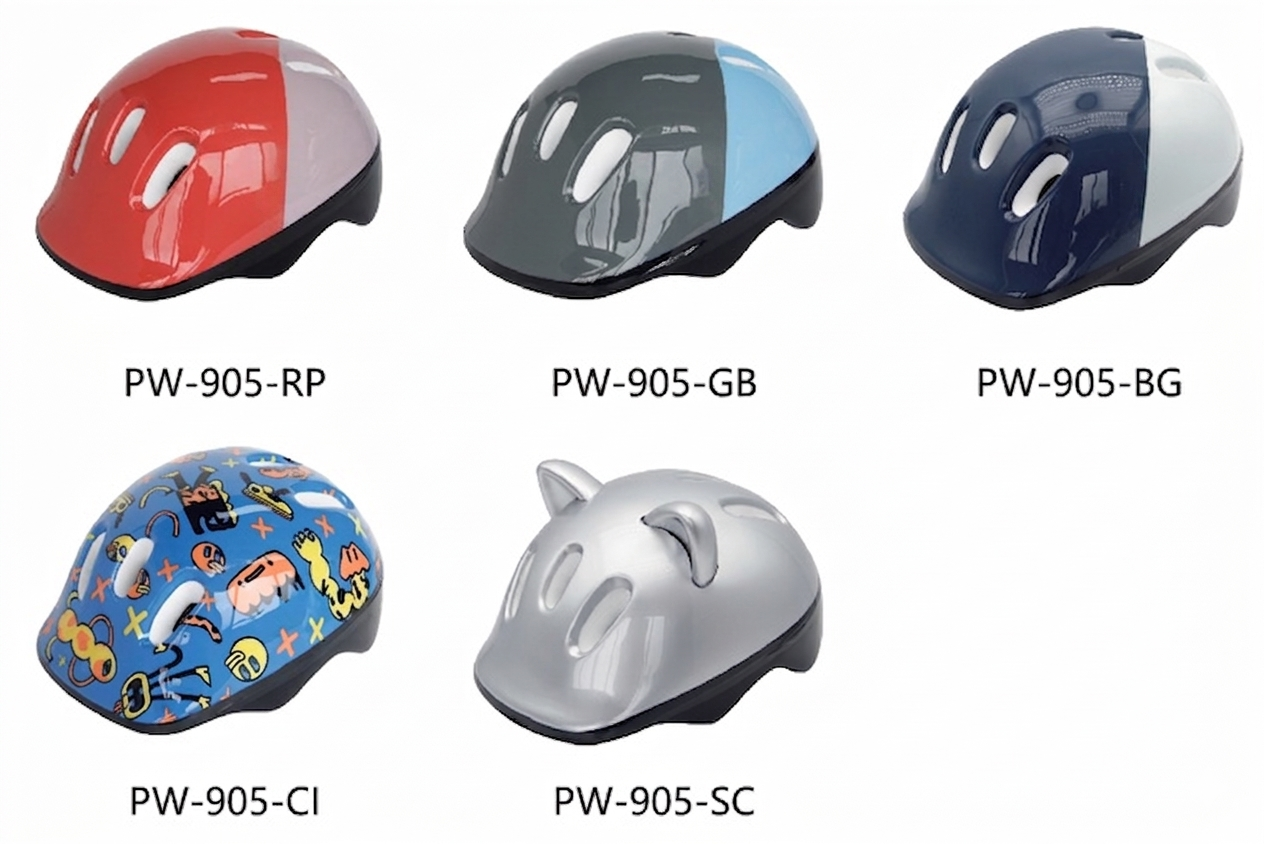
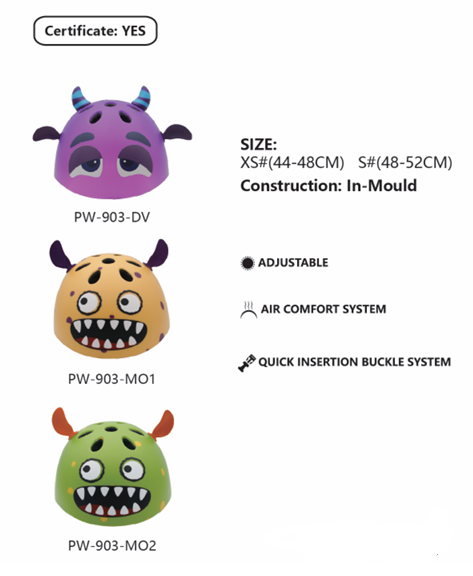
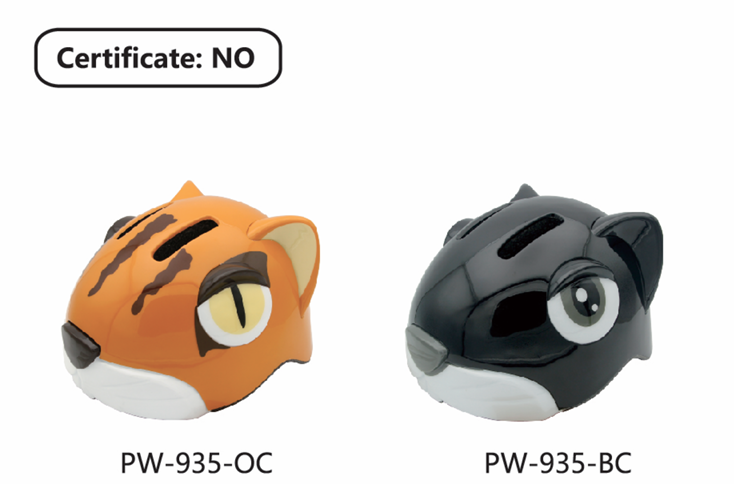
For Biking/General Use: Ensure the helmet has a CPSC (Consumer Product Safety Commission) or Snell certification sticker.
For Skateboarding/Extreme Sports: Look for an ASTM F1492 certification.
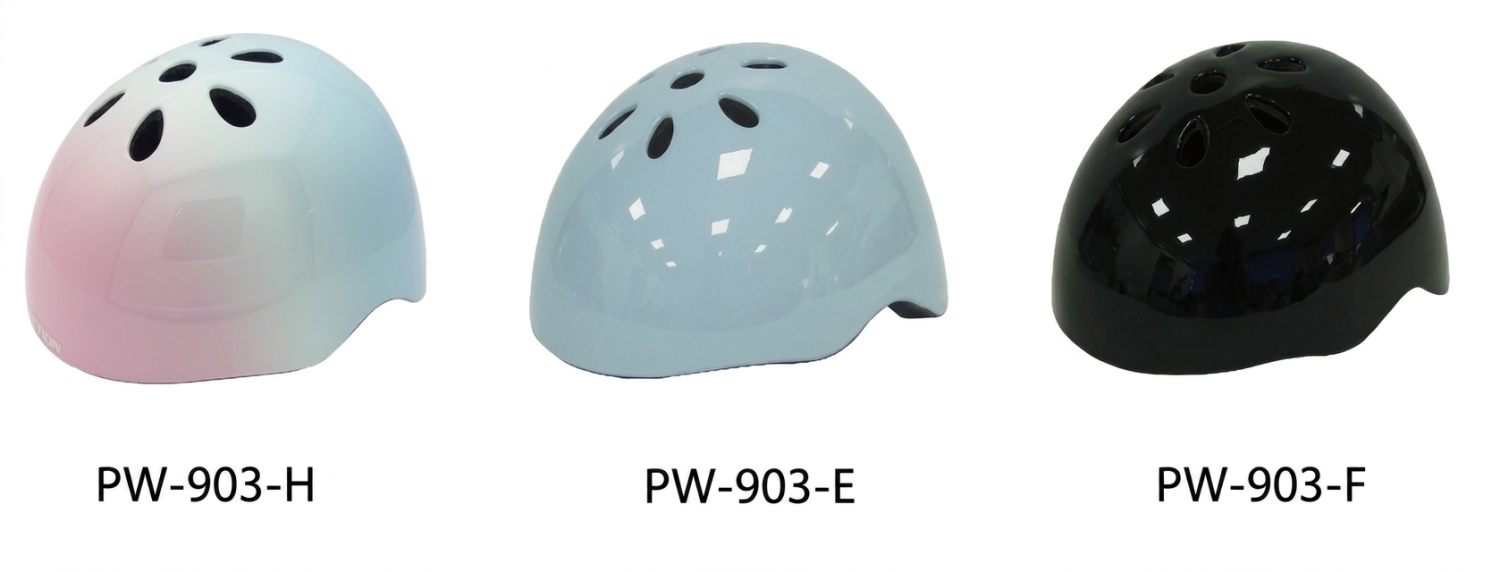
Multi-Sport: Some helmets are "dual-certified" (meeting both CPSC and ASTM standards) and are suitable for a variety of activities like biking, skateboarding, and scootering.
KEY COMFORT & DESIGN FEATURES
Children are more likely to wear a helmet if it is comfortable.
Weight: Choose a lightweight model to reduce strain on the child's neck.
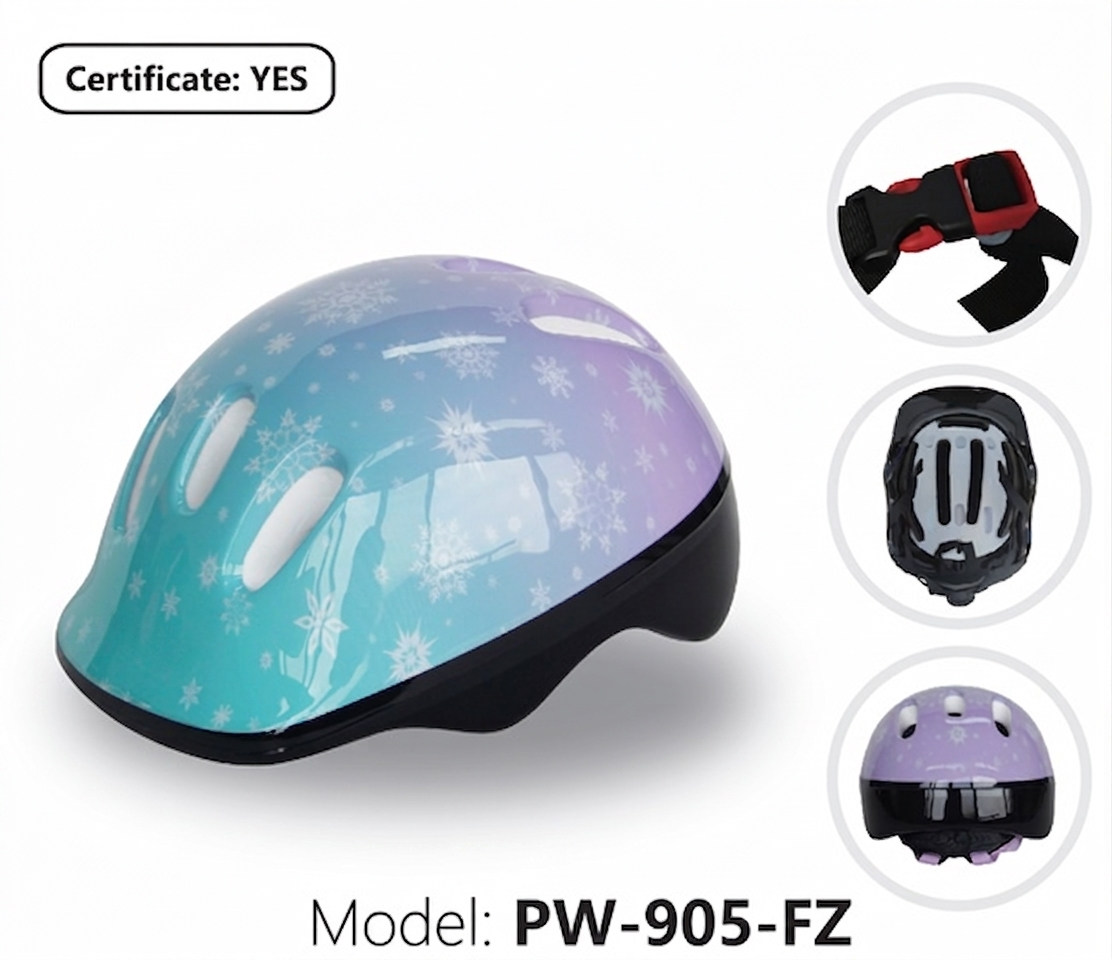
Ventilation: Proper airflow is essential, especially in warmer climates, to prevent overheating and sweating.
Ease of Use: Consider magnetic buckles, which are often easier for younger children to fasten and unfasten independently without pinching their skin.
Hair-Friendly: Ensure the interior design does not have exposed Velcro or sharp edges that could snag hair, especially for children with long hair or ponytails.
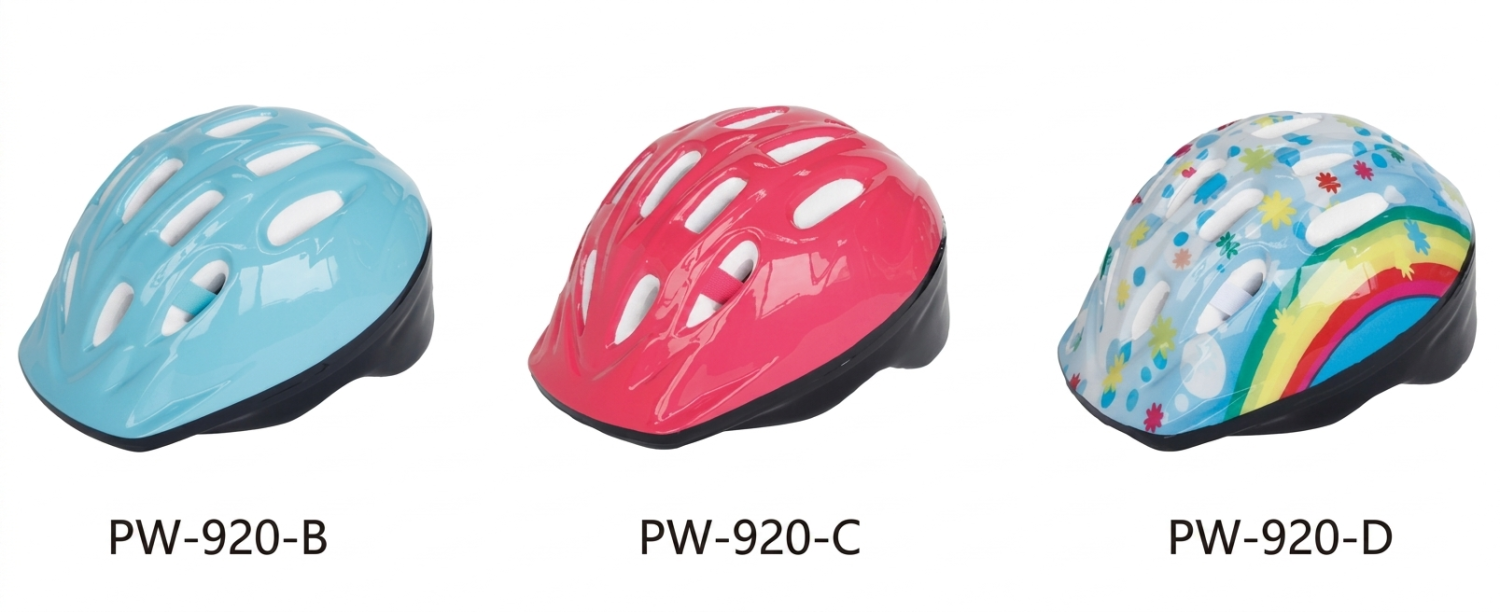
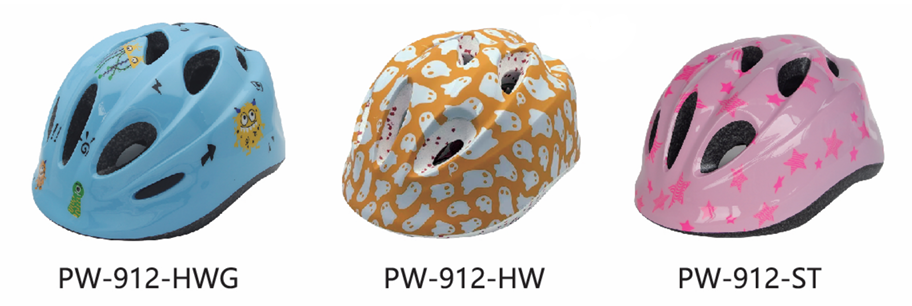
Visibility: Opt for bright colors or integrated reflective elements to ensure the child is easily seen by drivers and others.
IMPORTANT MAINTENANCE RULES
After-Crash Replacement: A helmet is designed for single use in an impact. If a helmet has been in a crash, dropped on a hard surface, or shows any signs of cracks (even invisible ones), it must be replaced immediately.
Age and Degradation: Even without a crash, helmet materials can degrade over time. Replace helmets every 5 years or according to the manufacturer’s recommendations.
Avoid Second-Hand: It is generally recommended to avoid used or hand-me-down helmets, as you cannot be certain if the helmet has suffered unseen internal damage from a previous impact.
Reviews & Ratings
Frequently Bought Products