











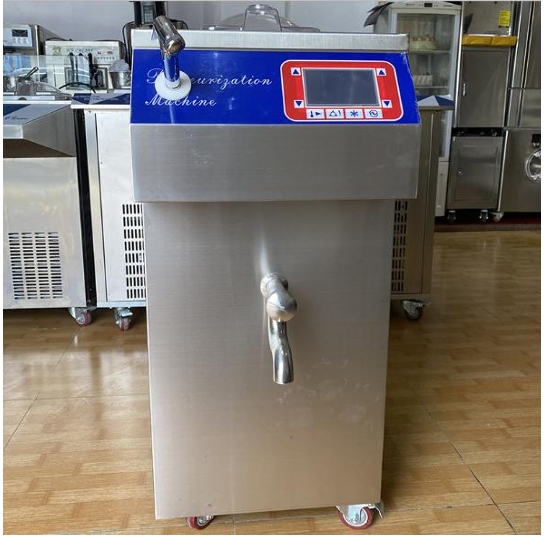
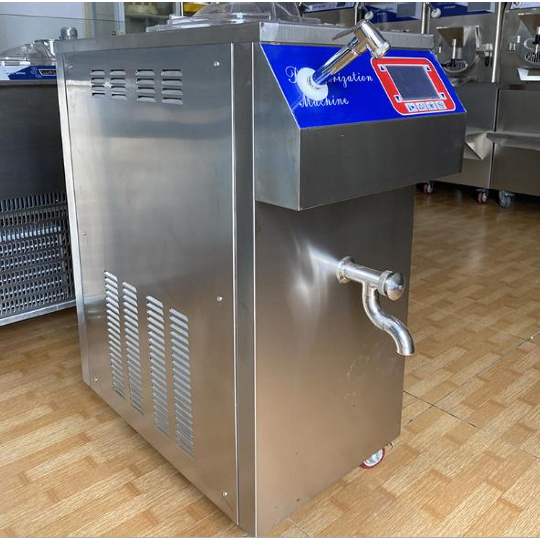
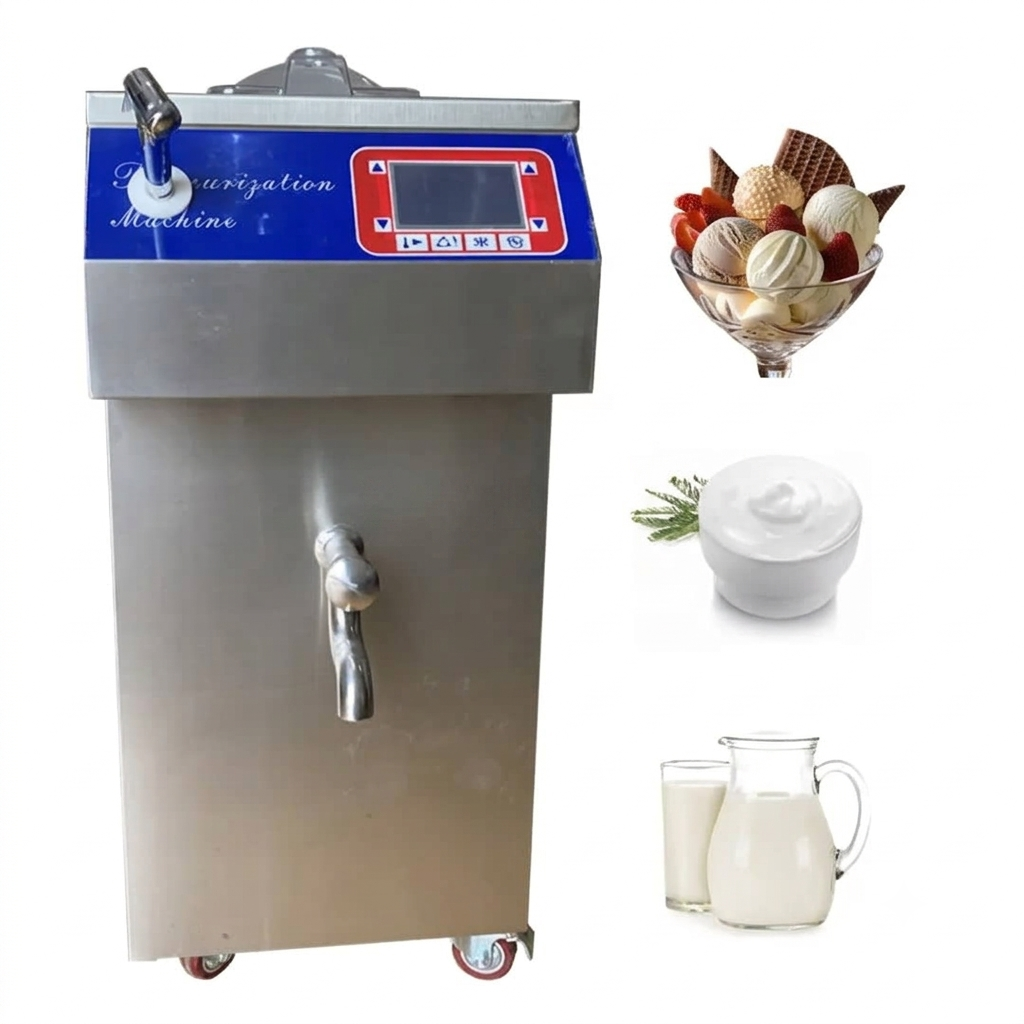
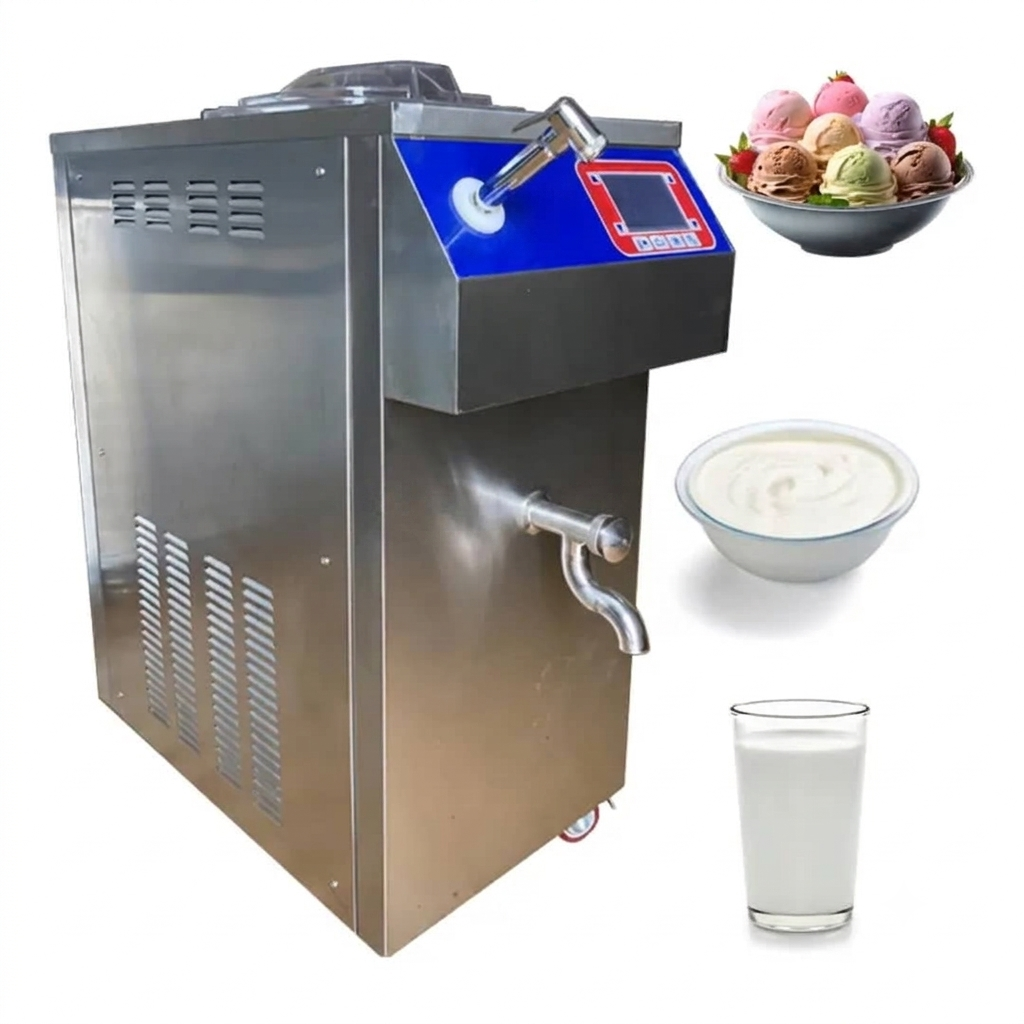
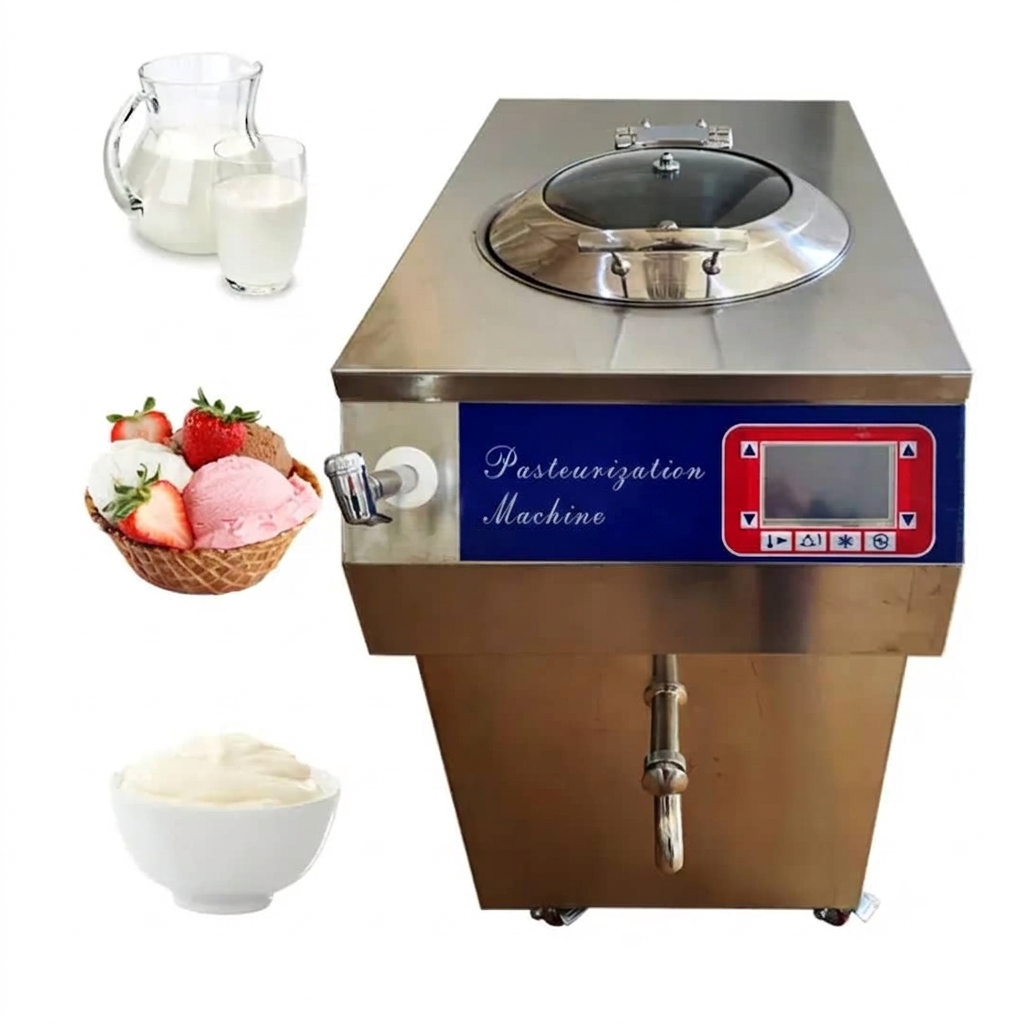
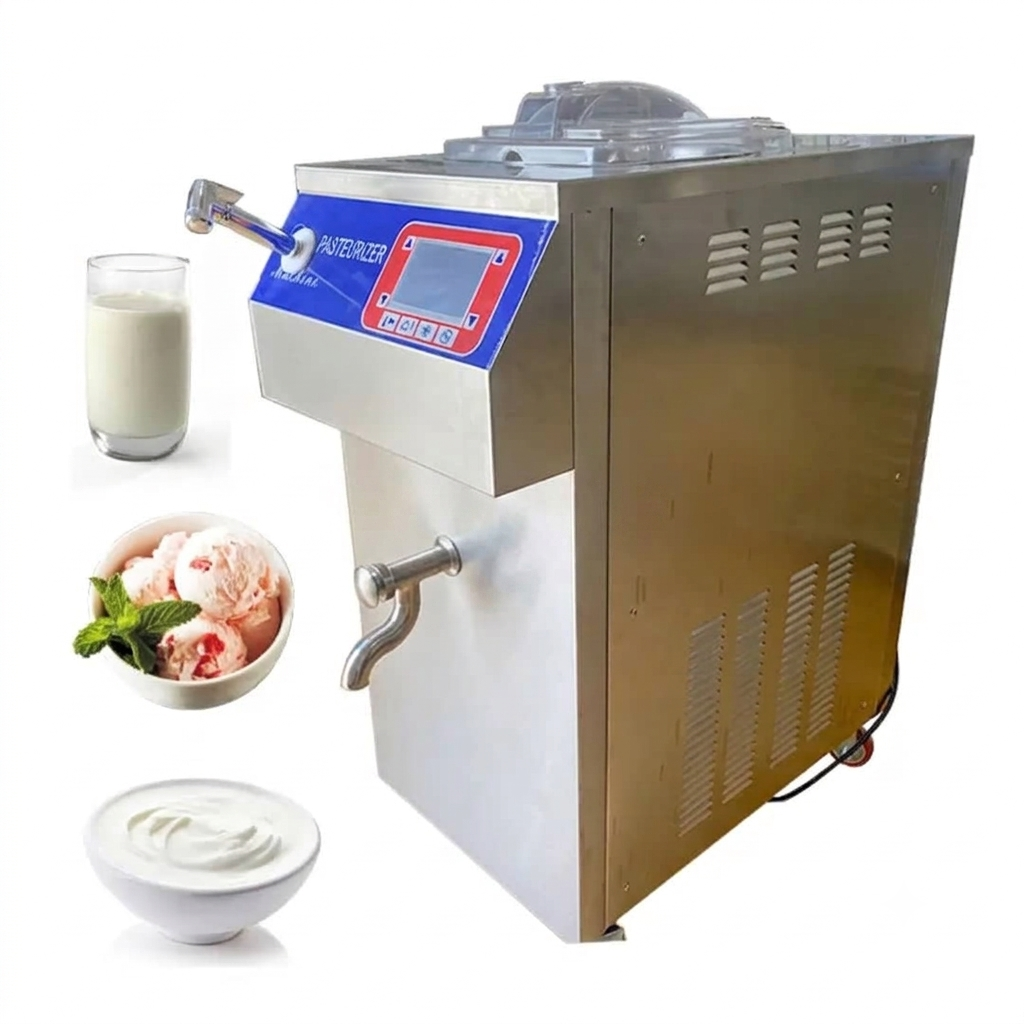
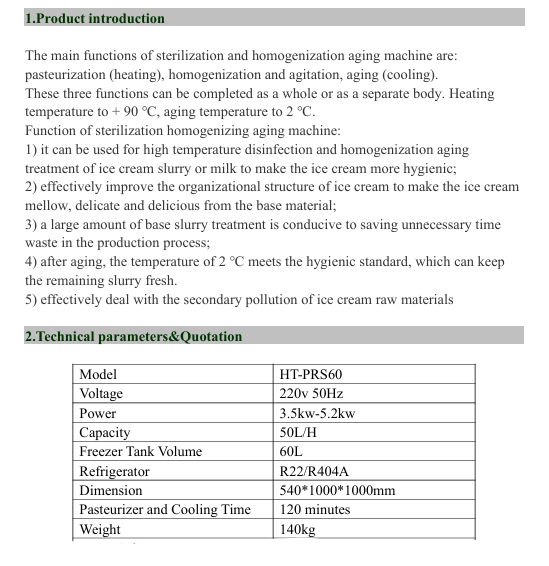





Core Functions
Safety (Pathogen Elimination): It heats the liquid base (a blend of milk, cream, sugar, and stabilizers) to a specific temperature for a set duration to destroy harmful bacteria and pathogens.
Consistency (Homogenization & Binding): The heating process allows dry ingredients to fully dissolve, fats to emulsify, and proteins to hydrate, resulting in a smooth, uniform, and stable product.
Shelf Life: By neutralizing bacteria and stabilizing the mixture, it prevents spoilage and extends the shelf life of the base before it reaches the freezing stage.
Key Technical Processes
Heating: Typically reaches temperatures between 65°C and 85°C (149°F – 185°F), depending on the cycle.
Holding/Stirring: The machine maintains the temperature while agitating the mixture to ensure every part of the batch is treated equally and preventing solids from settling.
Rapid Cooling: After the holding phase, the machine quickly cools the mixture to approximately 4°C (39°F) to prevent bacterial regrowth and prepare the base for the aging process.
Advantages for Business Operators
HACCP Compliance: Modern units often include automated logs and electronic controls that simplify compliance with food safety regulations and inspections.
Improved Quality: Properly pasteurized mixes have better body, texture, and flavor profiles compared to raw or improperly mixed bases.
Reduced Waste & Labor: Automated systems reduce the frequency of manual cleaning cycles (in some machines, reducing the need for daily cleaning), which saves on water, detergents, and labor hours.
Operational Efficiency: Efficient pasteurization ensures sugar residues do not clog pumps, reducing wear and tear on downstream equipment like freezers.
Reviews & Ratings
Frequently Bought Products