











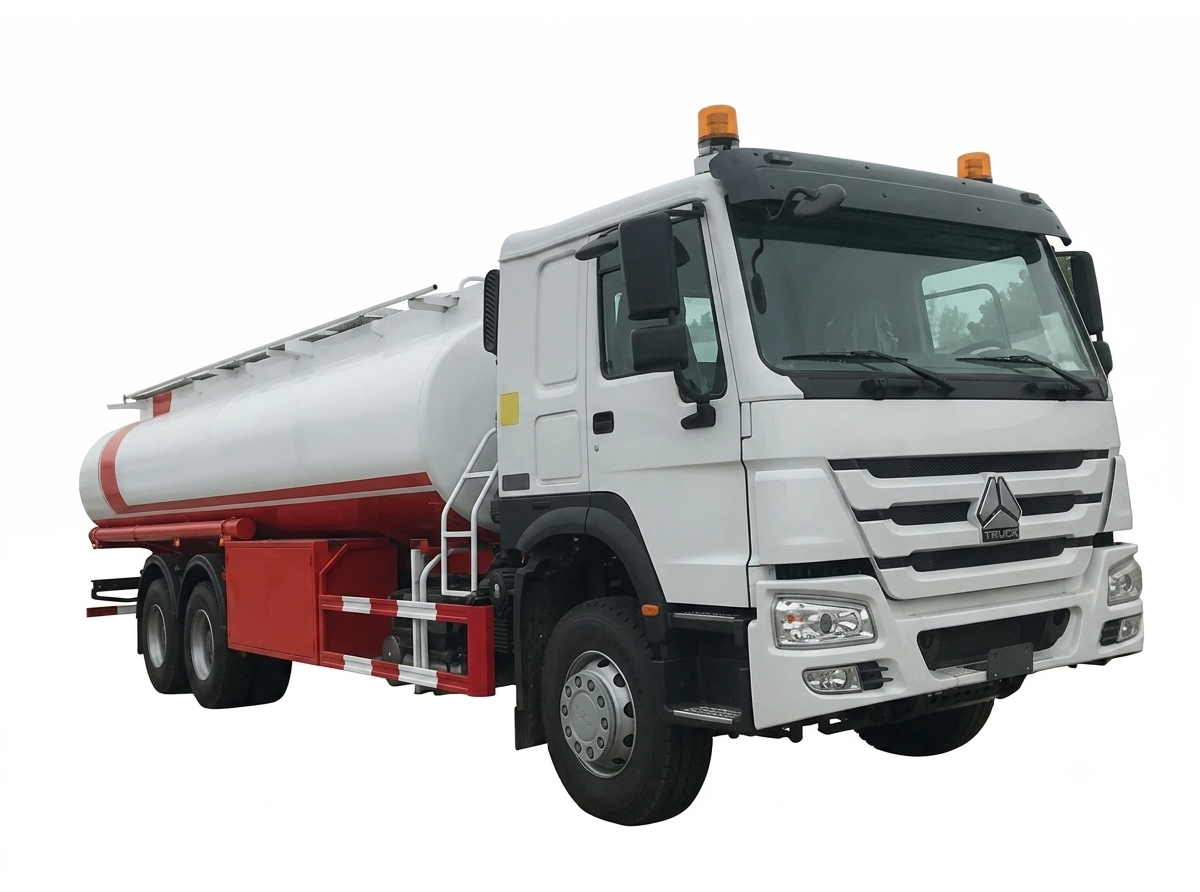






Tank Construction & Materials: Standard tanks are typically constructed from aluminum (lightweight/corrosion-resistant), stainless steel (high durability), or carbon steel (cost-effective for specific fuels).
Compartmentalization: Multi-compartment designs allow for the transport of different fuel grades in a single trip, which optimizes logistics and reduces operational costs.
Safety Engineering: Industrial models must integrate rigorous safety systems, including overfill prevention sensors, emergency shut-off valves, and grounding systems to mitigate static discharge and fire hazards.
Stability Systems: Internal anti-surge baffles are essential for controlling liquid movement ("sloshing") during transit, significantly reducing rollover risks and enhancing driving stability.
Operational Applications
Fleet Refueling: Mobile maintenance units often use smaller tanker configurations to refuel heavy machinery directly on job sites.
Bulk Distribution: Larger semi-trailer tankers are the standard for high-volume delivery between terminals and retail fuel stations.
Niche Logistics: Specialized tankers may be required for specific fuels, such as aviation kerosene or LPG, which require pressure-rated vessels.
Reviews & Ratings
Frequently Bought Products