












Key Considerations for Stone Mosaics
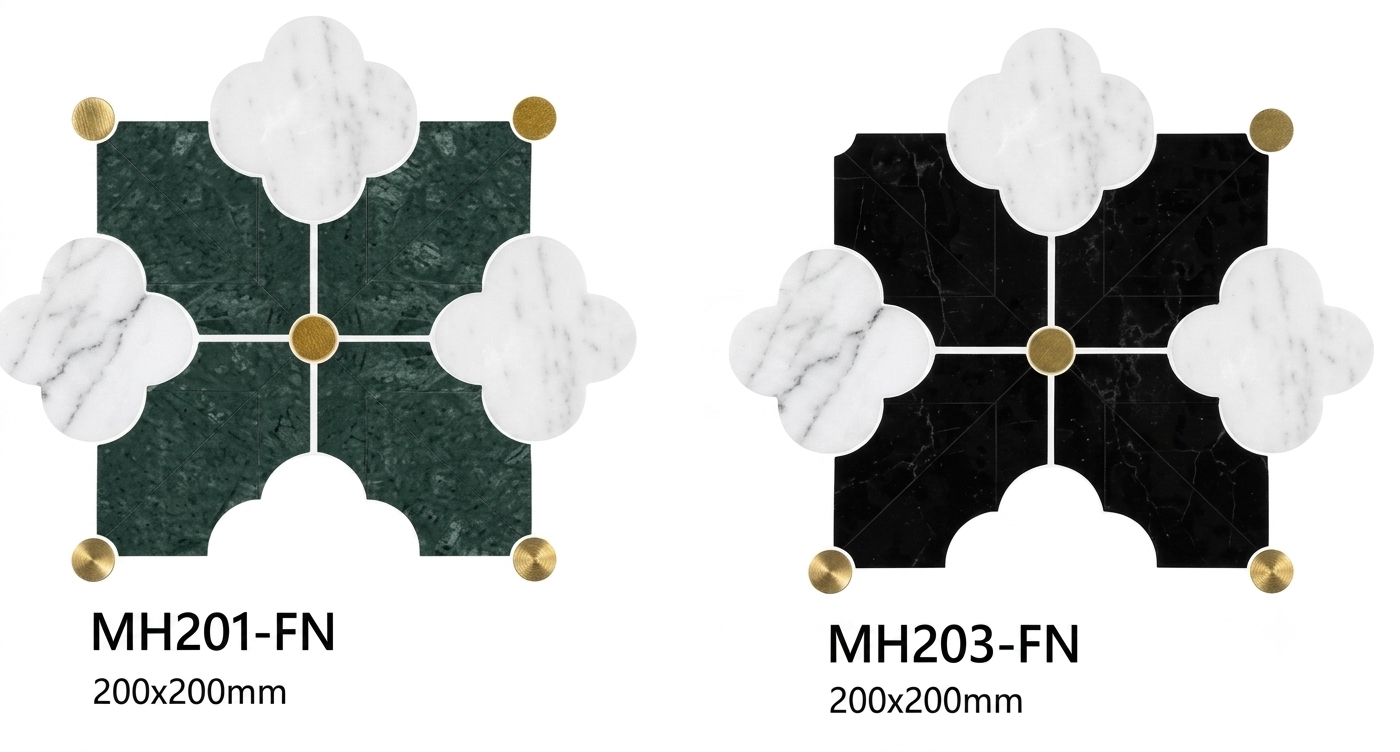
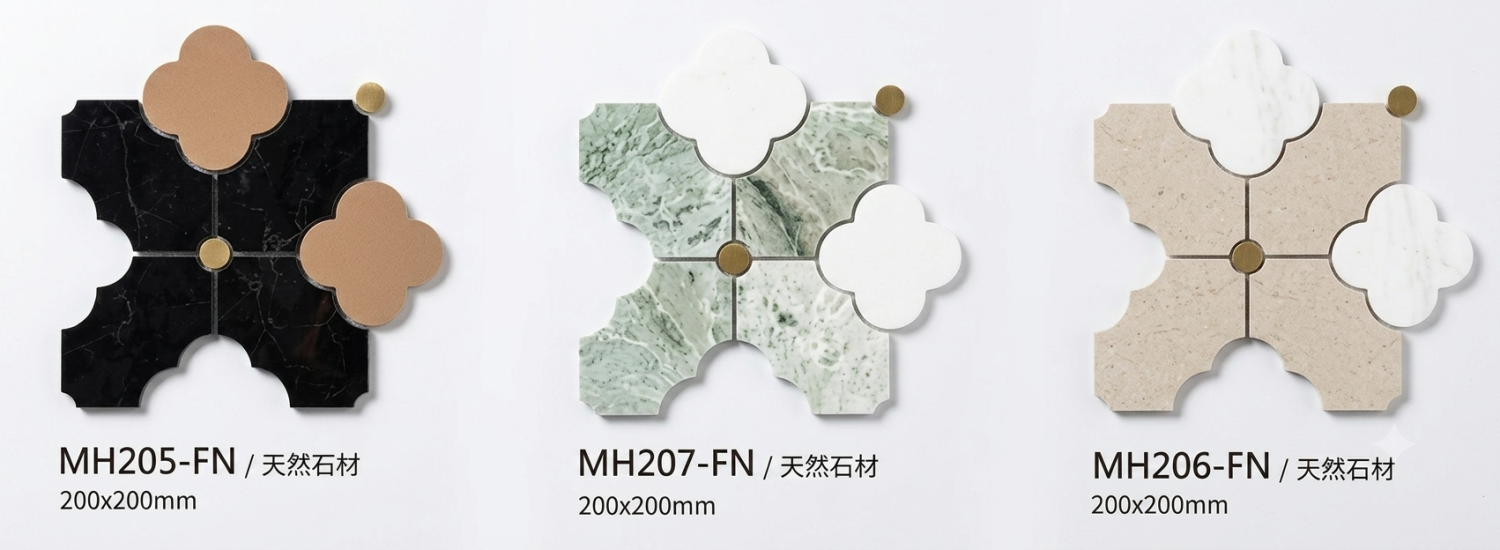
Natural Variation: Because stone is a natural material, your specifications should note that color, texture, and size variations are inherent characteristics and not defects.
Slip Resistance: If the mosaic is intended for flooring, especially in wet areas like bathrooms or kitchens, include the DIN 51130 R-value (e.g., R10 for general wet areas, R11 for heavy wetting).
Installation Requirements: It is helpful to specify the recommended adhesive (e.g., epoxy for wet areas), minimum grout joint width, and the requirement for initial sealing, as stone porosity varies.
Standard Compliance: Referencing recognized standards such as ASTM (American Society for Testing and Materials) or ISO adds professional credibility to your product data sheets.
| Category | Typical Specifications to Include |
| Physical Dimensions | Tesserae (individual piece) size, sheet dimensions, and total tile thickness. |
| Material Properties | Stone type (e.g., marble, slate), backing type (e.g., fiberglass mesh), and finish (e.g., honed, polished). |
| Performance Data | Water absorption rate (%), Mohs hardness scale, and slip resistance rating |
| Mechanical Strength | Compressive and flexural strength values (often measured in MPa or kg/cm²). |
| Chemical/Environmental | Resistance to household chemicals, acids, frost, and thermal shock. |
Reviews & Ratings
Frequently Bought Products