




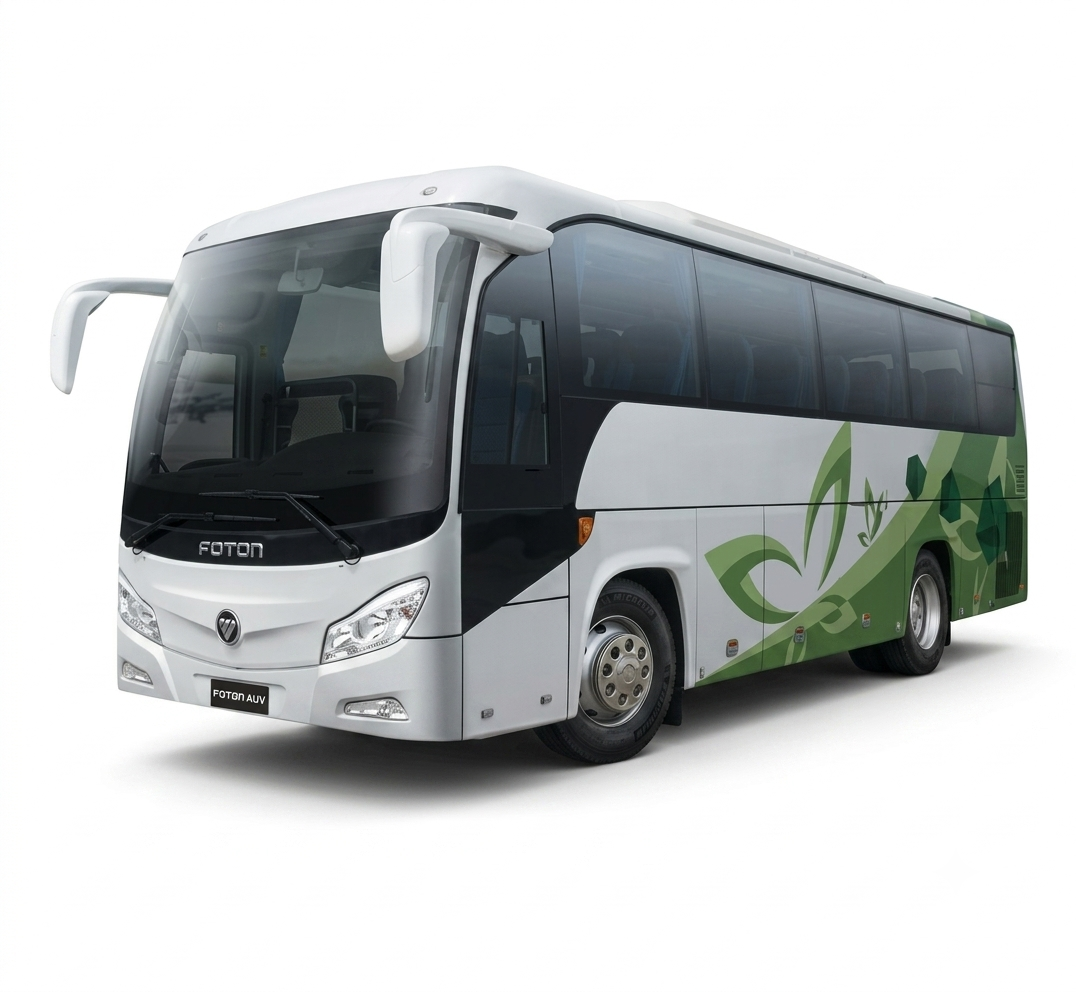

Design for Efficiency: City buses typically feature low-ride platforms or low-floor designs to allow for rapid boarding and alighting, often including ramps or kneeling features to accommodate wheelchair users and those with limited mobility.
Interior Configuration: They are characterized by low-back seating to maximize space and provide significant areas for standing passengers, as well as dedicated space for luggage, bicycles, or strollers.
Accessibility & Amenities: Modern city buses are increasingly equipped with air conditioning, passenger information systems, digital destination displays, and push-button stop requests.
Operational Requirements: Unlike long-distance coaches, city buses generally have lower maximum speeds and no specialized luggage compartments, as they are intended for intra-city transit.
Single-Decker: The most standard configuration, typically 35 to 40 feet (11–12 meters) in length.
Articulated Bus: An elongated bus (54 to 60 feet or 16–18 meters) featuring a flexible, accordion-style midsection that allows for better maneuverability on narrow turns while significantly increasing passenger capacity.
Double-Decker: Used in high-traffic areas to provide higher seating capacity within the same road footprint.
Midi bus & Minibus: Smaller variants used for lower-demand routes, feeder services, or areas with narrower streets.
Common Configurations
Reviews & Ratings
Frequently Bought Products