











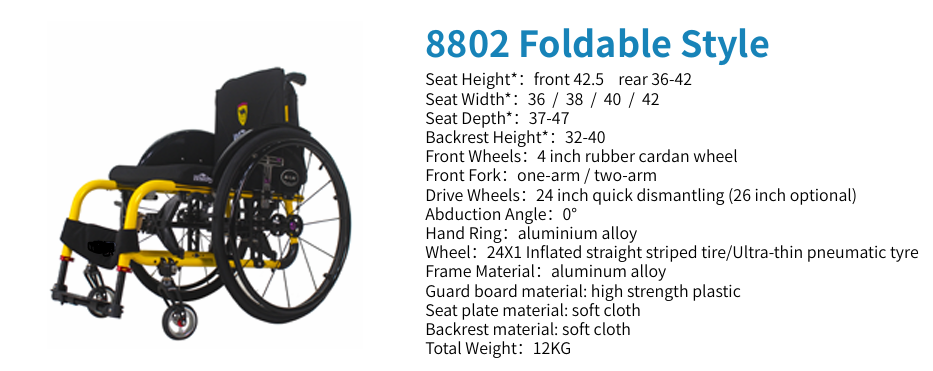
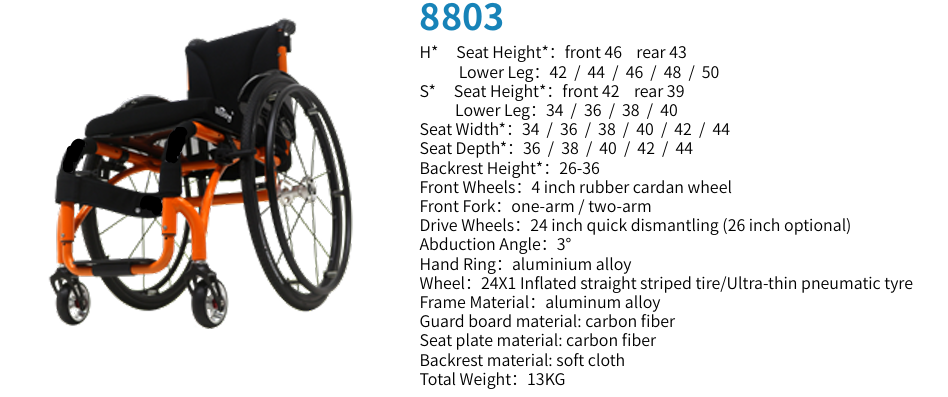
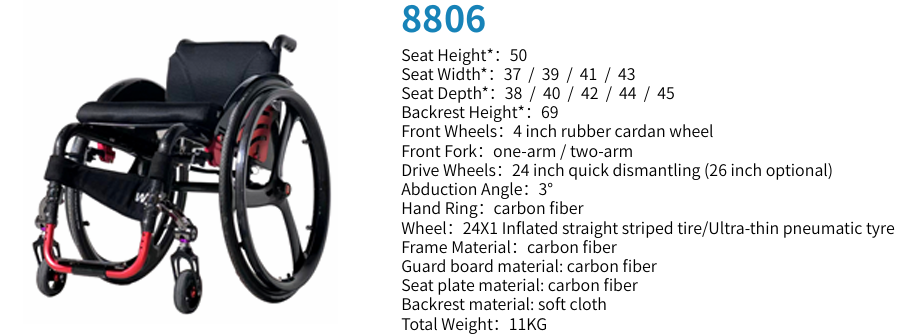
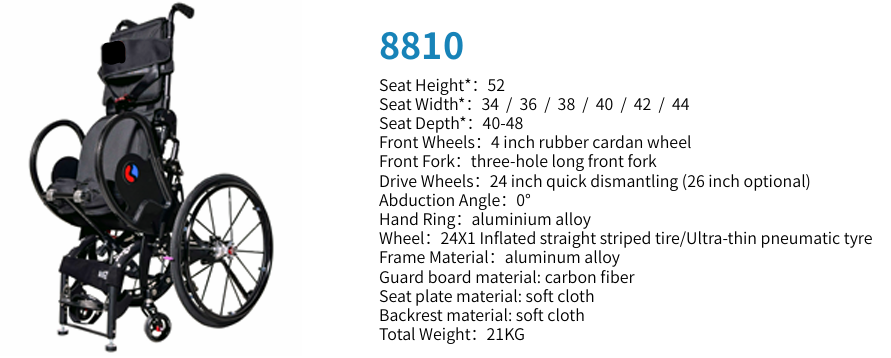
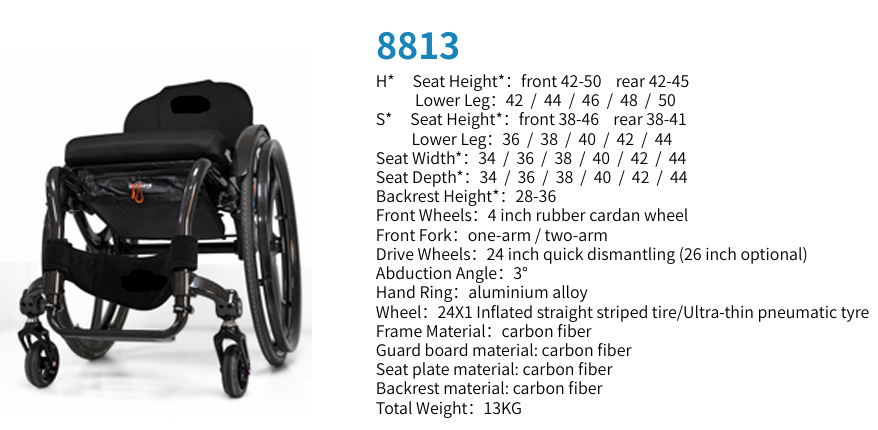
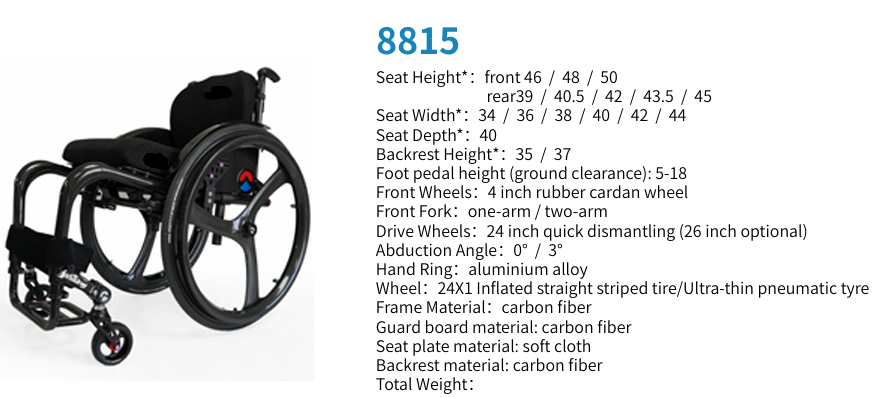
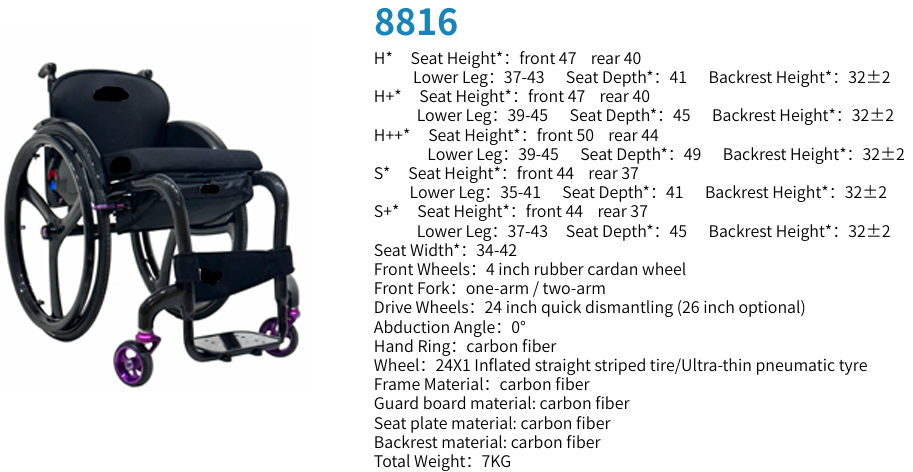
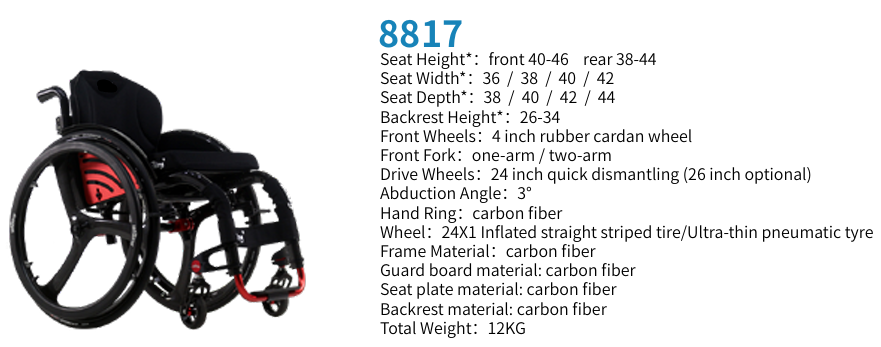
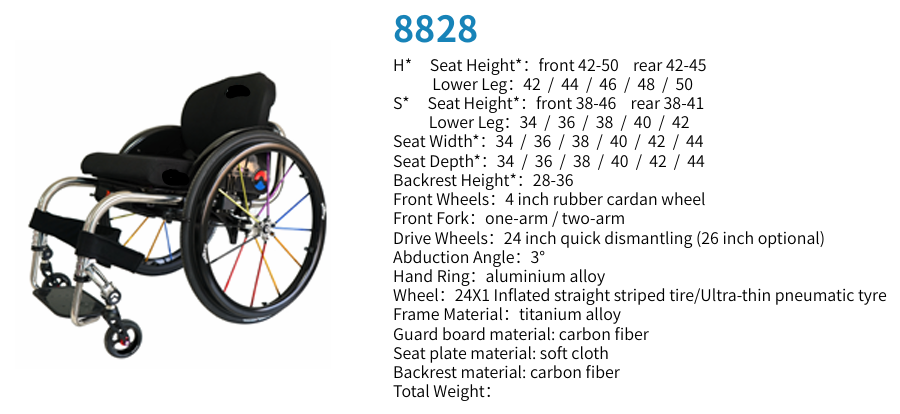
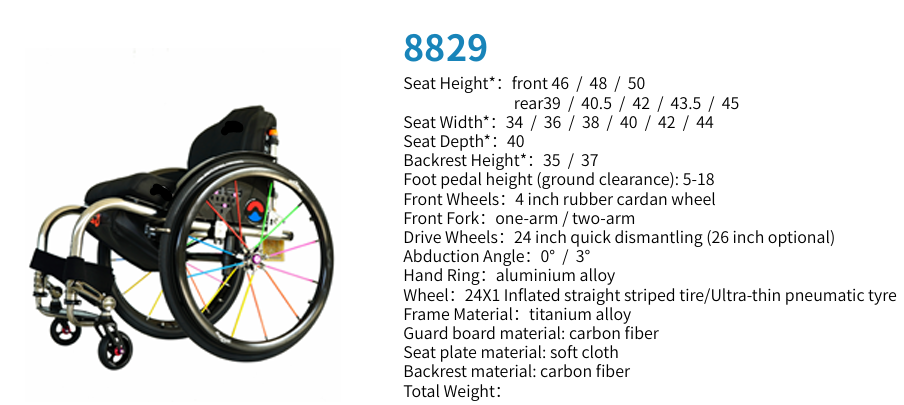
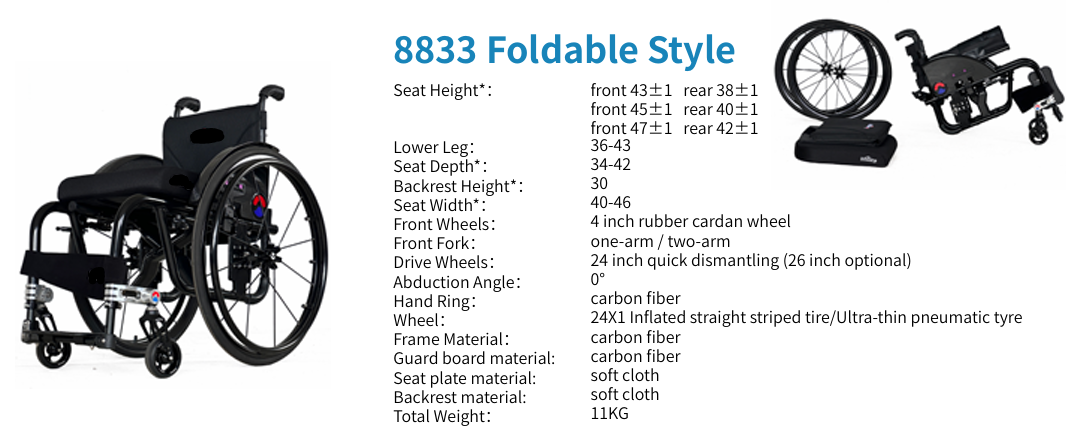
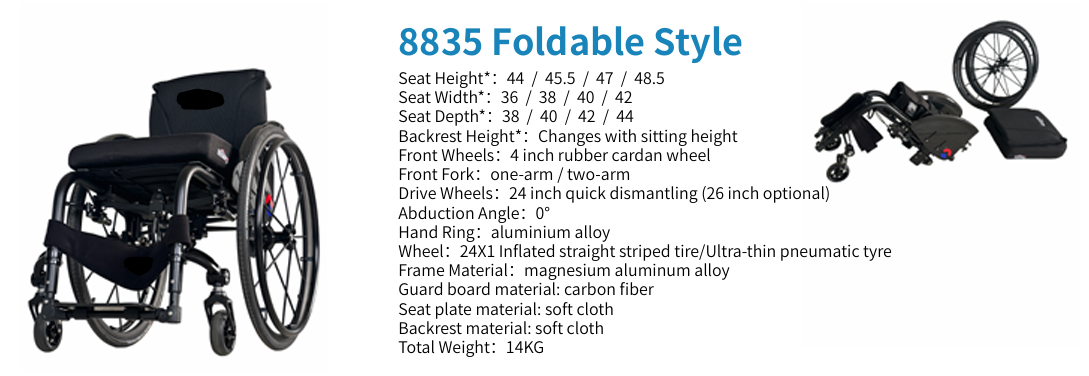




Core Features of Active Wheelchairs
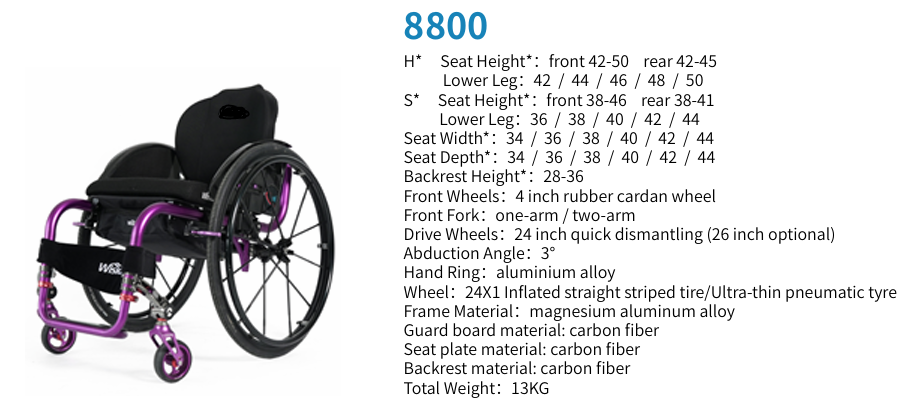
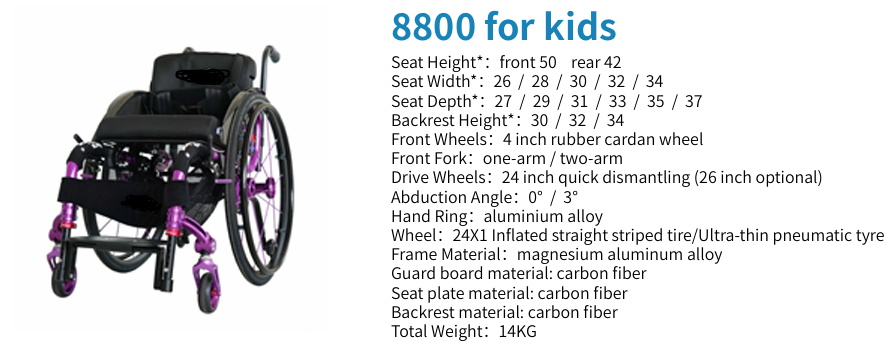
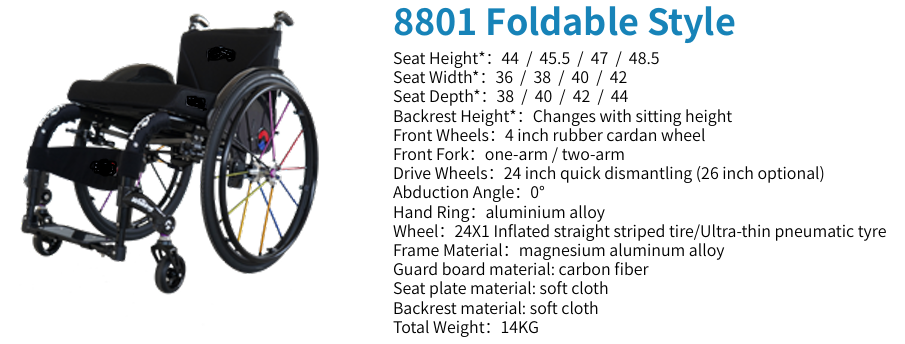
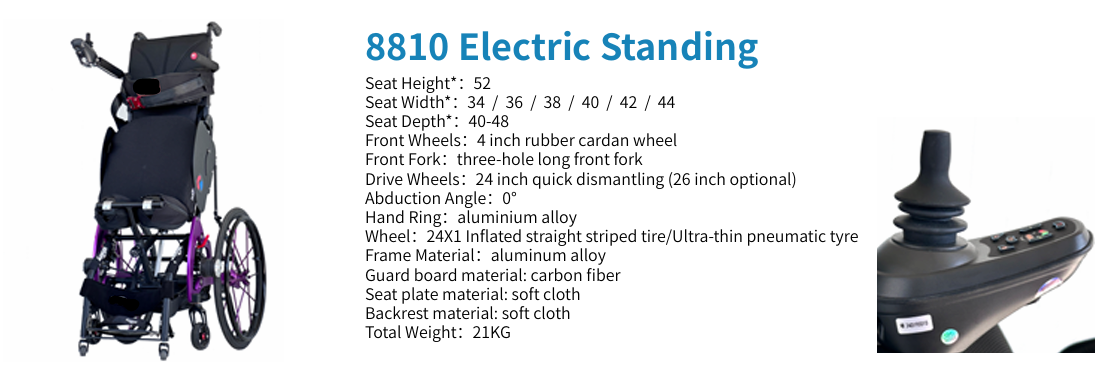
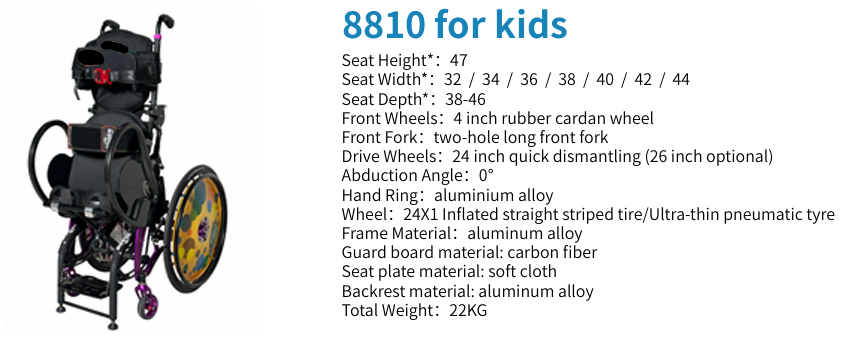
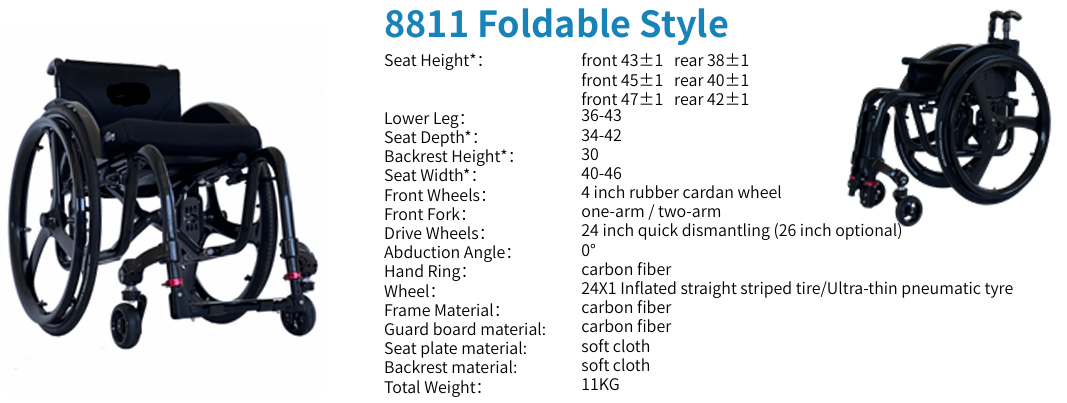
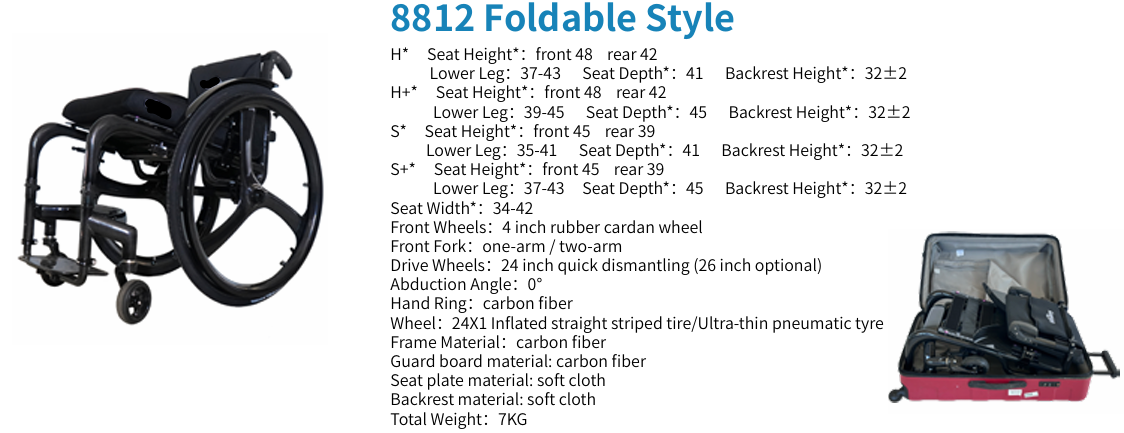
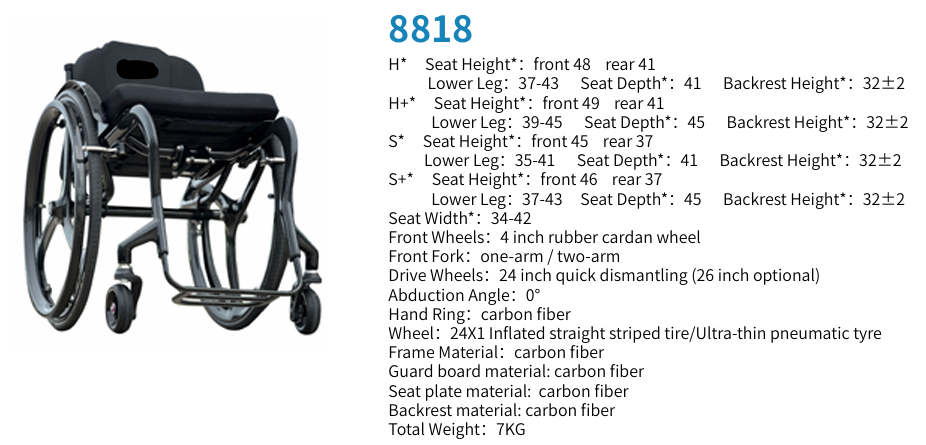
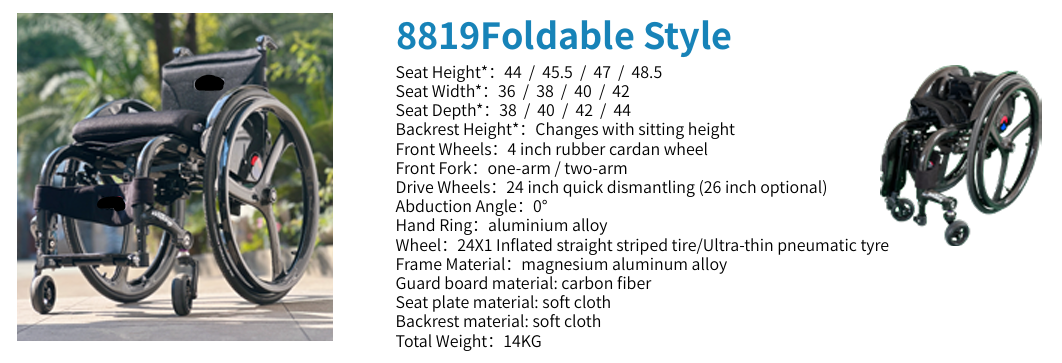
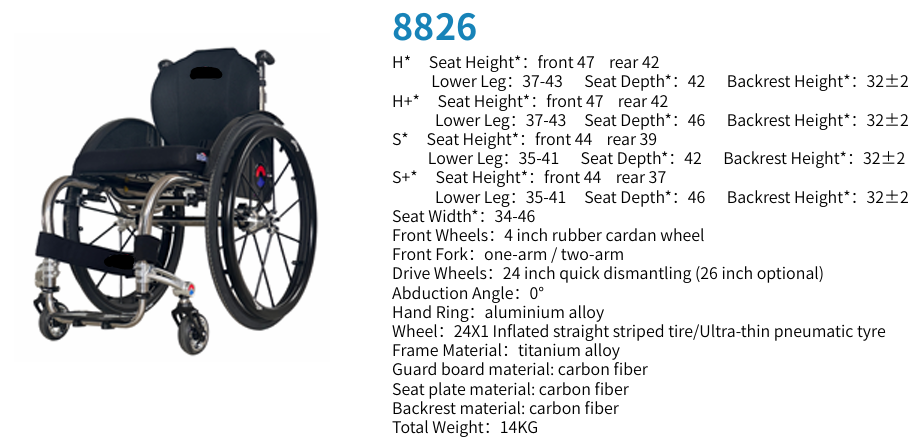
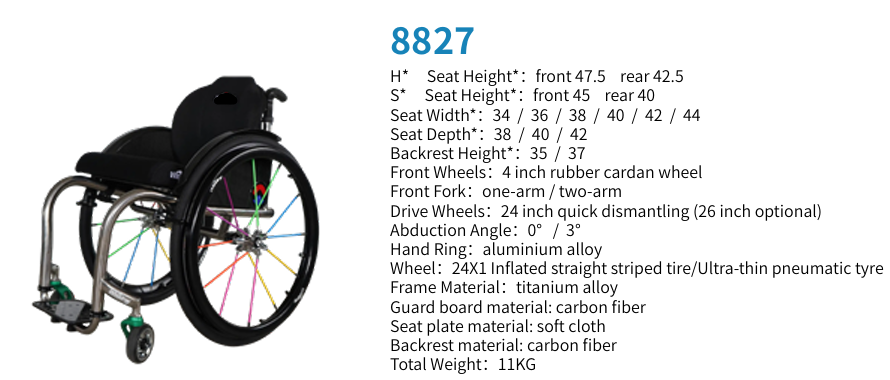
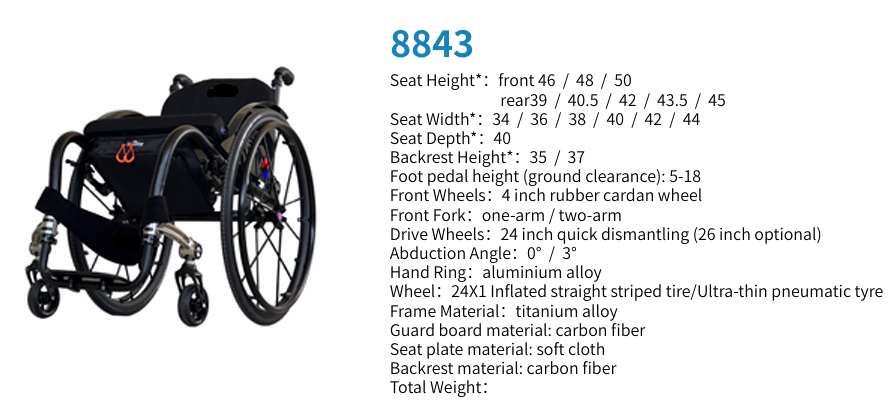
Lightweight Frame: Typically constructed from advanced materials such as aluminum alloys, titanium, or carbon fiber to minimize weight and reduce the energy required for the user to push themselves.
Adjustability: These wheelchairs often feature highly adjustable components, including seat angle, backrest height, and rear-wheel position, which allows the user to optimize the chair's center of gravity for better balance and performance.
Maneuverability: They are built with a more rigid, compact frame that enables tighter turning radii and quicker responsiveness, making them ideal for navigating diverse indoor and outdoor environments.
Ergonomics: The design emphasizes ergonomics to support long-term daily use, reducing strain on the user's shoulders and upper body during self-propulsion.
Distinctions from Other Mobility Equipment
Versus Standard Wheelchairs: Standard wheelchairs are generally heavier, wider, and designed primarily for stability and occasional use, whereas active wheelchairs prioritize performance and user-led mobility.
Versus Power Add-Ons: While an active wheelchair is manually propelled by the user, it can often be fitted with front-drive power add-ons (like those previously discussed) to assist with longer distances or challenging terrain without sacrificing the chair's lightweight nature.
Reviews & Ratings
Frequently Bought Products